Complete Dry Fire Training Guide: The Best Way to Improve Shooting Skills at Home
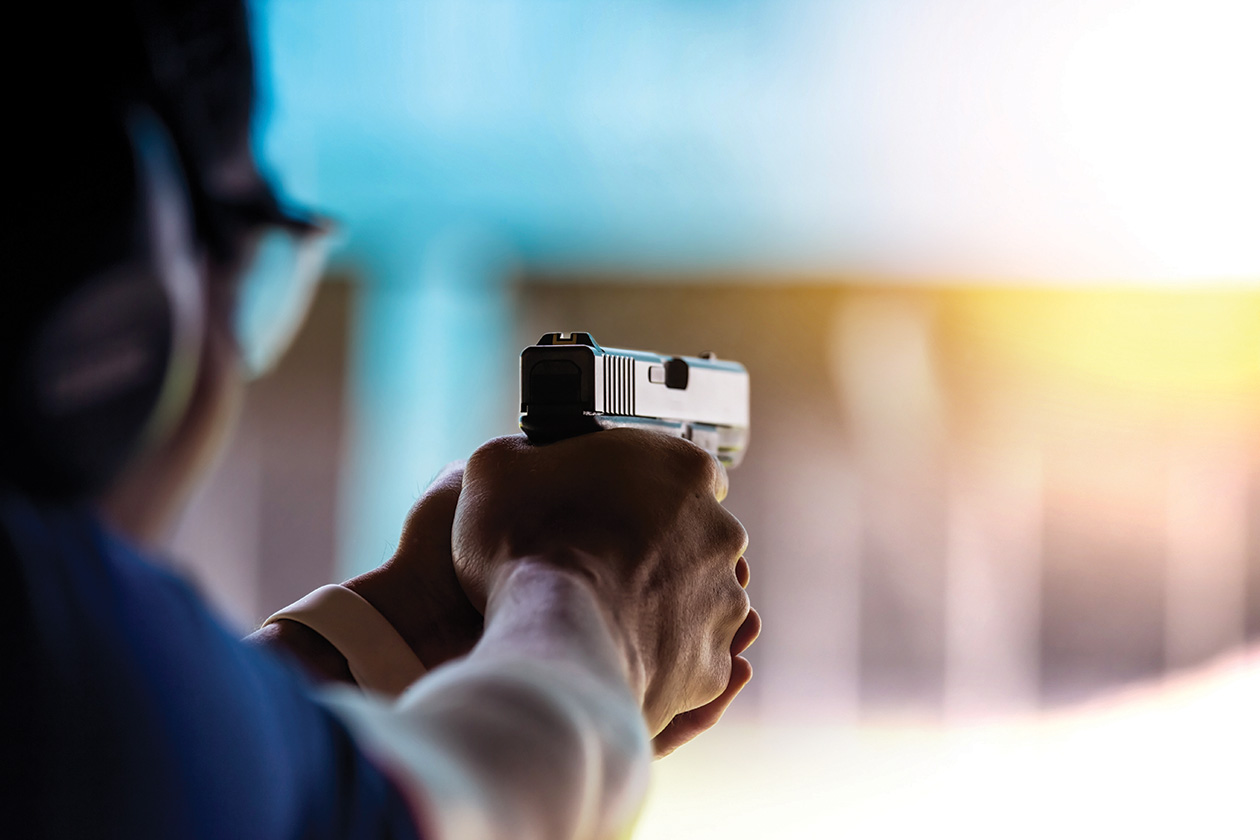
What is Dry Fire Training?
Dry Fire Training refers to practicing shooting mechanics—drawing, aiming, and trigger pulls—without using live ammunition. This is one of the most commonly used training methods by professional shooters and competitive athletes worldwide, allowing you to safely hone your shooting skills at home.
Complete Airsoft Beginner Guide: Your Journey from Zero to Hero
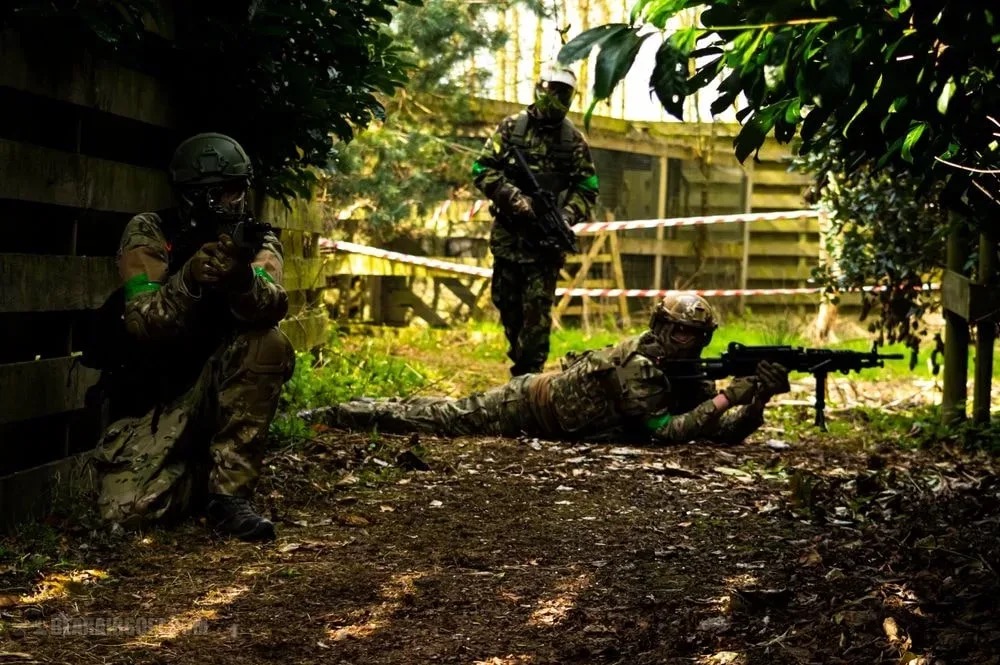
What is Airsoft?
Airsoft is a team-based sport that simulates military tactics, where players use replica firearms to shoot BB pellets in combat scenarios. It combines tactical thinking, teamwork, physical fitness, and shooting skills, making it an exciting and challenging recreational activity.
Shot Timer Complete Guide: Improve Your Shooting Skills with Data
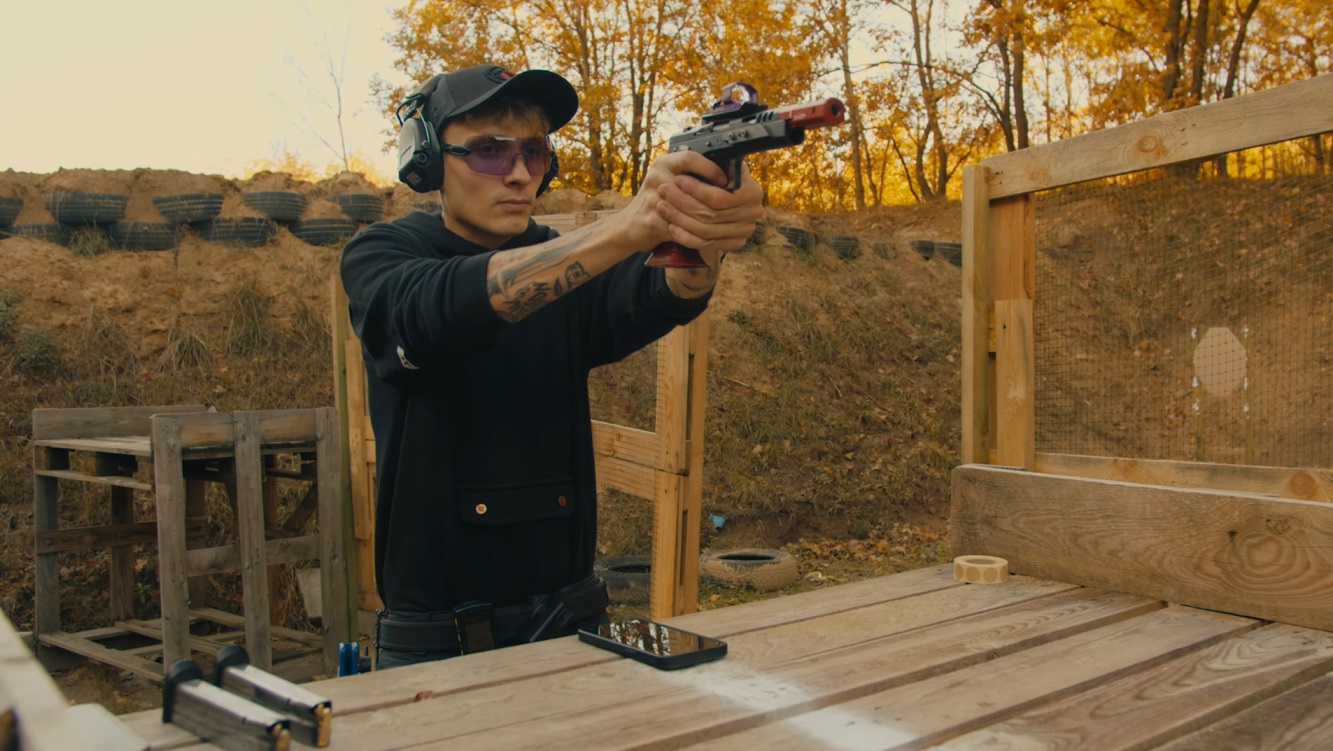
What is a Shot Timer?
A Shot Timer is an essential training tool for every serious shooter. It precisely measures the time from the start signal to each shot, transforming your training from “feeling” to “data-driven.” Whether you’re an IPSC competitive shooter, IDPA defensive trainer, or airsoft player, a Shot Timer is the key equipment for improving your skills.
M1911 Complete Guide: A Century of Legend - History and Training Guide
Introduction to the 1911 Pistol
The M1911 (also known as Colt 1911 or simply 1911) is a semi-automatic pistol designed by legendary firearms designer John Moses Browning. Since its adoption by the U.S. military in 1911, it has served for over a century. This pistol is not only the longest-serving standard-issue handgun in American military history but also the cornerstone of modern pistol design, with its influence extending to the present day.
CZ Shadow 2 Complete Guide: The Champion Choice for IPSC Competition & Training
CZ Shadow 2 Overview
The CZ Shadow 2 is a premium competition pistol designed by Czech manufacturer CZ (Ceska zbrojovka), widely regarded as “The King of IPSC Production Division.” This pistol combines the excellent DNA of the classic CZ 75 with modern competition requirements, achieving numerous victories in world-class shooting competitions and becoming the weapon of choice for countless champion shooters.
SIG P320 Complete Guide: M17 vs M18 vs X-Five — Which Model Is Right for You? (2025 IDPA Ban Explained)
SIG P320 Introduction: The U.S. Military’s Modular Revolution
The SIG Sauer P320 (also known as SIG P320 or simply P320) is a revolutionary semi-automatic pistol developed by Swiss/German firearms manufacturer SIG Sauer. The P320 pistol’s defining feature is its fully modular design—unlike traditional pistols, the SIG P320 uses an innovative “Fire Control Unit” (FCU) as the legally defined “firearm,” allowing users to easily swap grips, slides, barrels, and other components, transforming one P320 pistol into multiple configurations.
When Was the Glock 17 Gen 5 Released? Complete Guide & Training Tips
Glock 17 Gen 5 Release Date
The Glock 17 Gen 5 was officially released on August 30, 2017, marking a significant evolution in this iconic pistol’s history. Glock simultaneously launched two fifth-generation models in August 2017: the Glock 17 and Glock 19, both chambered in 9×19mm Parabellum.
The Meaning of Glock Model Numbers
The “model numbers” of Glock pistols (such as Glock 17, 19, 18, 26, etc.) do not actually represent caliber or magazine capacity, but rather correspond to the sequential patent numbers obtained by Glock during development.
Complete Introduction to Glock Pistols
Origin and Naming System of Glock
Glock is a pistol series developed by Austrian engineer Gaston Glock in the 1980s, renowned worldwide for its innovative polymer frame design and reliability. For those new to Glock, you might be curious about its naming convention. Why does Glock have G17, G18, G19 numbering? is a common question many people have.
Glock Caliber Comparison: 9mm vs .45 ACP vs 10mm
Main Caliber Specifications Comparison
Below is a detailed comparison table of Glock’s three main calibers:
| Item | 9×19mm (9mm) | .45 ACP | 10mm Auto |
|---|---|---|---|
| Bullet Diameter (approx.) | 9.01 mm | 11.43 mm | 10.16 mm |
| Common Case Length (approx.) | 19.0 mm | 23.0 mm | 25.0 mm |
| Typical Bullet Weight (gr) | 115–147 gr | 185–230 gr | 155–200 gr |
| Typical Muzzle Velocity (fps / m/s) | Approx. 1150–1300 fps (351–396 m/s) | Approx. 800–900 fps (244–274 m/s) | Approx. 1200–1400 fps (366–427 m/s) |
| Typical Muzzle Energy (ft·lb / J) | Approx. 340–550 ft·lb (460–748 J) | Approx. 260–414 ft·lb (356–561 J) | Approx. 495–870 ft·lb (672–1180 J) |
| Typical Applications | Defense, law enforcement, competition, civilian | Traditional close-range stopping, defense (large caliber) | High energy, hunting, defense, better penetration/long-range energy |
| Advantages (Summary) | Lower recoil, high capacity, easy ammunition availability, strong versatility | High impact (wider bullet), excellent close-range stopping | High energy, flat trajectory, retains energy at longer distances |
| Disadvantages (Summary) | Penetration/stopping power in some situations depends on well-designed bullets | Capacity and recoil not conducive to rapid fire | Recoil, gun wear, and shooter control difficulty; ammunition cost/availability less than 9mm |
| Common Glock Representative Models (Original/Common) | G17 / G19 / G26 / G34 / G43X / G48 | G21 / G30 / G36 / G41 | G20 / G29 |
How to Choose the Right Caliber?
- 9mm: Best suited for beginners and daily training, cheap and readily available ammunition
- .45 ACP: Suitable for users seeking large caliber stopping power
- 10mm Auto: Suitable for situations requiring higher energy, such as hunting or wilderness self-defense