Complete Guide to Competition Magazine Pouches: IPSC, USPSA, IDPA Pouches Compared
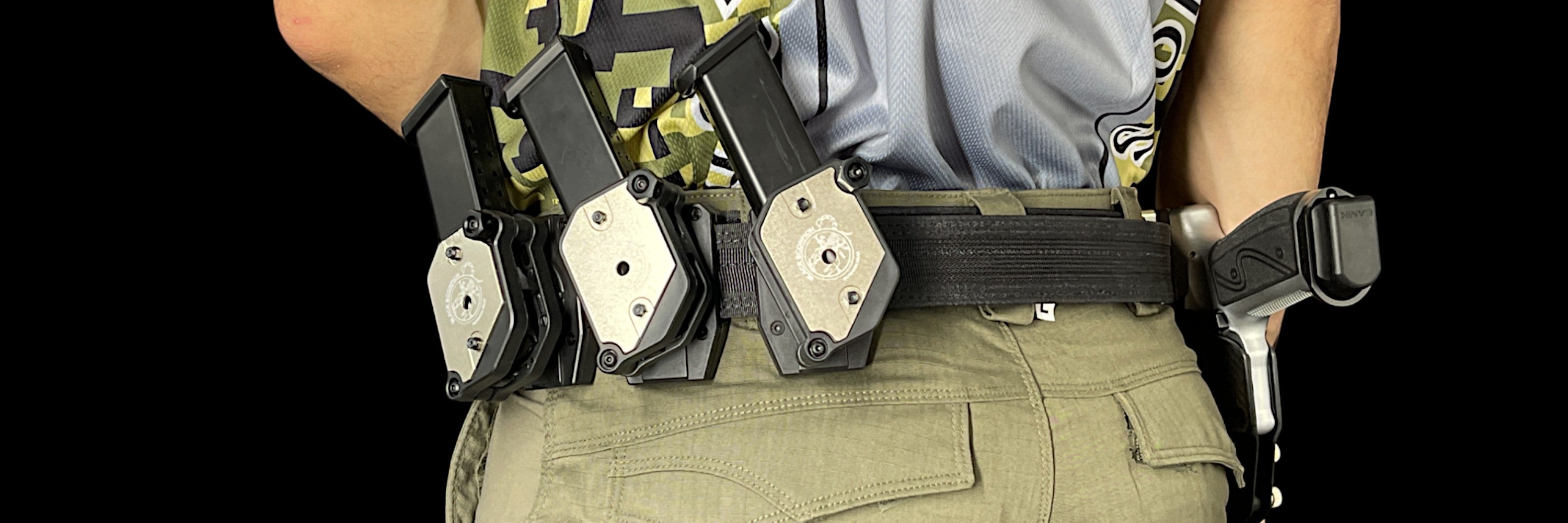
Why Magazine Pouches Are Critical Competition Gear
In competitive shooting, magazine pouches determine the speed and consistency of your reloads. A quality competition magazine pouch is more than just a container for spare magazines—it affects how quickly you can grab a magazine, whether the angle is correct, and how smooth your entire reload sequence flows.
Imagine this: You’re at an IPSC match, you’ve completed the first shooting position, and your magazine is empty. You need to reload while moving. The position of your pouch, retention force, and the angle at which the magazine presents—all directly impact your reload time.
Based on experience, competition magazine pouches can affect reload times by 0.1-0.3 seconds. When you need to reload more than 10 times during a match, these differences add up to determine the winner.
This Guide Covers
- Key differences between IPSC/USPSA and IDPA magazine pouch rules
- Detailed comparison of major competition magazine pouch brands
- Magazine orientation configurations (bullets forward vs bullets out)
- Magazine pouch quantity and placement planning
- Budget planning and recommended setups for beginners
💡 Further Reading: Learn complete reload training techniques in our Complete Guide to Pistol Magazine Reload Techniques
IPSC/USPSA vs IDPA Magazine Pouch Rules Comparison
Before purchasing magazine pouches, you must understand your target competition’s rules. IPSC/USPSA and IDPA have significantly different magazine pouch requirements.
IPSC/USPSA Magazine Pouch Rules
IPSC and USPSA magazine pouch rules vary by division:
| Division | Position Restrictions | Pouch Type |
|---|---|---|
| Production/PO | Must be behind hip bone | No Race Pouch restrictions |
| Single Stack | Must be behind hip bone | Restricted, no Race design |
| Limited/Open | No restrictions, anywhere on belt | Race Pouches allowed |
| Carry Optics | No restrictions | Race Pouches allowed |
USPSA 2021 Rule Update: USPSA removed position restrictions for most divisions, but Production and Single Stack still require pouches “behind the hip bone.”
Magazine Length Limits:
- Open/Limited/Limited-10/Carry Optics: Use USPSA Magazine Gauge, max 171.25mm
- Production/Single Stack: Use USPSA Box gauge
- IPSC rules: Maximum magazine length 170mm
IDPA Magazine Pouch Rules
IDPA simulates defensive shooting scenarios, so magazine pouch rules are stricter:
| Rule Item | Requirement |
|---|---|
| Quantity Limit | Maximum 2 magazine pouches on belt |
| Position | Must be behind hip bone |
| Concealment | Must be completely covered by concealment garment |
| Distance Rule | Male shooters must pass 3/4 inch dowel test |
| Additional Carry | Pocket carry for spare magazines allowed |
| Start Position | One additional pouch behind body for start loading; must be empty before “Stand By” |
2025 IDPA Rule Highlights:
- Magazine pouch positions must remain consistent throughout the match
- Mixed carry methods (pouches and pockets) allowed
- PCC division concealment is optional
Quick Comparison Chart
| Feature | IPSC/USPSA | IDPA |
|---|---|---|
| Race Pouches | ✅ Allowed (Limited/Open) | ❌ Not recommended |
| Position Limits | ⚠️ Division dependent | ✅ Behind hip bone |
| Quantity Limits | ❌ None | ✅ Max 2 |
| Concealment | ❌ None | ✅ Required |
| Pocket Carry | ⚠️ Uncommon | ✅ Allowed |
Magazine Orientation: Bullets Forward vs Bullets Out
Choosing your magazine orientation in the pouch is an important decision for competitive shooters. Both configurations have advantages and disadvantages.
Bullets Forward
This is the traditional configuration, where the magazine is placed with bullet tips pointing toward the front of the body.
Advantages:
- Natural Indexing: Index finger can touch the first round, confirming magazine orientation
- Surrender Starts: More ergonomic for surrender position starts
- Sequential Access: Hand naturally finds next pouch when moving backward
- Tactical School Approved: Standard method taught by most tactical shooting schools
- Less Wrist Motion: Reduced wrist rotation from pouch to magazine well
Ideal For:
- IDPA defensive shooting
- Divisions requiring higher-capacity magazines
- Beginners
Bullets Out
The magazine is placed with bullet tips pointing away from the body (outward).
Advantages:
- More Space: More magazine pouches can fit toward the front of the belt
- Single Stack Favorite: Popular with lower-capacity magazines
- Faster for Some: Some shooters find this configuration faster and more consistent
- Better for Rear Positions: More natural reach when pouches are behind the body
Ideal For:
- IPSC/USPSA Single Stack division
- Shooters needing 5+ magazine pouches
- Pouches positioned toward the rear
How to Choose?
Key principles for choosing magazine orientation:
- Consistency is Key: Whichever you choose, maintain it across your entire belt
- Individual Differences: Body type, flexibility, and arm length affect optimal choice
- Test and Compare: Use a Shot Timer to test reload times with both configurations
- Practice to Solidify: Once chosen, practice consistently to build muscle memory
💡 Expert Tip: If you’re a beginner, start with “bullets forward”—it’s the more traditional and easier-to-learn configuration. Once your technique is stable, try “bullets out” to see if it works better for you.
Detailed Comparison of Major Competition Magazine Pouch Brands
Double-Alpha Academy (DAA)
Brand Background: Israeli brand founded by IPSC World Champion Saul Kirsch, a leading manufacturer of competition shooting equipment.
DAA Race Master Pouch (~$60 USD)
DAA’s flagship all-aluminum magazine pouch, used by many top shooters.
Pros:
- All-aluminum construction, durable and precise
- Unique “pressure from the back” retention system with wide adjustment range
- Ball joint base for precise angle adjustment
- Interchangeable inserts for different magazine sizes (2011, CZ/Tanfoglio, Glock, M&P)
- Fully ambidextrous design
- Can mount 90 degrees outward
Cons:
- Higher price, significant when you need 3-4
- Not compatible with Large Frame Glock (G20/21) or .45 HK magazines
Best For: IPSC/USPSA Open, Limited, shooters seeking maximum adjustability
DAA Racer Pouch (~$30-35 USD)
Plastic version of the Race Master, offering similar performance at a friendlier price.
Pros:
- Same “pressure from the back” retention system as Race Master
- Interchangeable inserts for various magazines
- Precise tilt adjustment with serrated locking mechanism
- Slim steel belt hanger reduces belt separation
- About half the price of Race Master
- Fully ambidextrous
Cons:
- Plastic construction, no ball joint design
- Only fits 1.5" belts (not compatible with Safariland 1.75")
- Not compatible with Large Frame Glock or .45 HK magazines
Best For: IPSC/USPSA all divisions, budget-conscious shooters
DAA IDPA Racer Pouch
Specifically designed for IDPA compliance.
Pros:
- IDPA-compliant neutral ride height
- Adjustable retention
- Body distance meets IDPA requirements
- Suitable for concealment
Best For: IDPA all divisions
Ghost Holsters
Brand Background: Italian brand known for innovative designs, very popular in European IPSC circles.
Ghost 360 Universal Magazine Pouch (~$25-30 USD)
Called “the best magazine pouch in the galaxy” by many shooters.
Pros:
- Leaf spring design for smooth release
- Truly universal, fits nearly all double-stack 9mm/.40 magazines
- Rotating speed clip allows 360-degree positioning
- Vertical or horizontal carry options
- Different retention springs available
- No screws or hooks on exterior to catch fingers
- Fits up to 1.75" belts
- Multiple colors available
Cons:
- Leaf springs may break from falls or excessive dry fire (carry spare springs)
- Some magazines (like CZ Shadow 2) may be loose; adding a second retention spring helps
Best For: IPSC/USPSA all divisions, shooters seeking versatility
Ghost Hybrid Double Stack Mag Pouch (~$20 USD)
A more entry-level option.
Best For: Budget-conscious, entry-level shooters
CR Speed
Brand Background: Swedish brand known for precision engineering and innovative designs.
CR Speed Versa II Pouch (~$35-40 USD)
Competition-proven versatile magazine pouch.
Pros:
- Multi-magazine compatible design with included inserts
- Fully ambidextrous
- Large knob for intuitive retention adjustment
- Low-profile design with generous finger groove
- High/low position adjustable
- C-Bax hanger system enhances Velcro contact stability
- Magnet version available (for Limited/Open first magazine)
Cons:
- Some users dislike the adjustment knob design
- Very tight fit on DAA belts
Best For: IPSC/USPSA all divisions
Blade-Tech
Brand Background: American brand known for high-quality Kydex products.
Blade-Tech Revolution Mag Pouch
Pros:
- Precision Kydex molding
- Adjustable retention
- Reasonably priced
- Durable
Cons:
- Less adjustability than specialized competition pouches
Best For: Entry-level competition, IDPA
Other Options
Black Scorpion Gear IDPA Double Stack Pouch (~$25-30 USD)
Pros:
- Designed specifically for IDPA
- Rule-compliant neutral height
- Affordable
Best For: IDPA entry-level
Competition Magazine Pouch Comparison Table
| Brand/Model | Price (USD) | Material | IPSC Open | IPSC Production | IDPA | Features |
|---|---|---|---|---|---|---|
| DAA Race Master | $60 | Aluminum | ✅ | ✅ | ⚠️ | Ball joint, maximum adjustability |
| DAA Racer | $30-35 | Plastic | ✅ | ✅ | ⚠️ | Budget Race Master |
| DAA IDPA Racer | $35 | Plastic | ✅ | ✅ | ✅ | IDPA-specific |
| Ghost 360 | $25-30 | Plastic | ✅ | ✅ | ⚠️ | Highest versatility |
| CR Speed Versa II | $35-40 | Plastic | ✅ | ✅ | ⚠️ | Large knob adjustment |
| Blade-Tech Revolution | $25 | Kydex | ✅ | ✅ | ✅ | Simple, durable |
| Black Scorpion IDPA | $25-30 | Kydex | ⚠️ | ⚠️ | ✅ | IDPA entry-level |
⚠️ indicates need to verify specific configuration meets rules
Magazine Pouch Quantity and Placement Planning
How Many Magazine Pouches Do You Need?
The number of magazine pouches depends on division and stage design:
| Division | Recommended Pouches | Notes |
|---|---|---|
| Open/Limited | 4-5 | High-capacity magazines; 30+ round stages may require multiple reloads |
| Production/PO | 4 | Standard setup, sufficient for most stages |
| Carry Optics | 4 | Similar to Production |
| Single Stack | 5-6 | 8-round magazine capacity requires more spares |
| IDPA | 2 (rule limit) + pockets | Rules limit belt to max 2 pouches |
Placement Recommendations
Standard Configuration (Right-handed shooter):
-
First Pouch: Left side belt, 11 o’clock position (closest to belly button)
- Most commonly used position
- Some shooters use magnet pouches here (Open/Limited)
-
Second Pouch: 10 o’clock position
- Primary backup for reloads on the move
-
Third/Fourth Pouches: 9-8 o’clock positions
- Arranged sequentially backward
- Ensure they don’t interfere with each other
IDPA Configuration:
- Only 2 pouches, placed behind the hips
- Additional magazines can be carried in pockets
Spacing Adjustments
- Maintain sufficient spacing between pouches to avoid collision when grabbing
- Use a Shot Timer to test reload times with different spacing
- Consider your palm size and grip habits
Magazine Pouch and Belt Compatibility
Magazine pouches must be compatible with your competition belt. Main considerations:
Belt Width
| Belt Type | Width | Compatible Pouches |
|---|---|---|
| DAA Competition Belt | 1.5" | DAA, Ghost, CR Speed (tight fit) |
| CR Speed Belt | 1.5" | All standard 1.5" pouches |
| Safariland ELS | 1.75" | Safariland-specific accessories |
| IDPA-compliant Belt | 1.5" | Most pouches |
Brand Compatibility Notes
- DAA Belts are Thicker: Designed perfectly for DAA accessories, but CR Speed pouches fit very tightly
- Ghost 360: Adjustable for different belt widths (up to 1.75")
- Safariland ELS System: Uses 1.75" belt, compatibility issues with standard 1.5" accessories
💡 Recommendation: If possible, choose the same brand for belt and pouches for best compatibility. Alternatively, choose highly versatile pouches like the Ghost 360.
Magazine Pouch Recommendations by Division
IPSC/USPSA Open Division
Recommended Setup:
- Pouches: DAA Race Master or Ghost 360 (4-5)
- First Position: Consider magnet version
- Budget: $200-300 (pouches only)
Key Considerations:
- Prioritize fastest draw speed
- Consider magnet-assisted first magazine
- Ensure compatibility with 2011 high-capacity magazines
IPSC/USPSA Limited Division
Recommended Setup:
- Pouches: DAA Race Master or CR Speed Versa II (4)
- Budget: $150-250
IPSC/USPSA Production / Production Optics
Recommended Setup:
- Pouches: DAA Racer or Ghost 360 (4)
- Budget: $100-150
Note: Pouches must be behind the hip bone.
IPSC/USPSA Single Stack
Recommended Setup:
- Pouches: DAA Racer (Single Stack insert) or dedicated 1911 pouches (5-6)
- Configuration: Bullets out more common
- Budget: $150-200
IDPA All Divisions
Recommended Setup:
- Pouches: DAA IDPA Racer or Black Scorpion IDPA (2)
- Belt: Wilderness Instructor Belt or Kore Essentials
- Budget: $60-100
Note:
- Maximum 2 pouches on belt
- Must be concealable under garment
- Additional pocket carry allowed
Competing in Both IPSC and IDPA
Recommended Setup:
- Pouches: Ghost 360 or DAA Racer (universal type)
- Quantity: Buy 4, use only 2 for IDPA
- Budget: $100-150
Budget Planning for Beginners
Budget Configuration ($60-100 USD)
Suitable for shooters just starting in competitive shooting.
| Item | Recommendation | Quantity | Unit Price | Total |
|---|---|---|---|---|
| Pouches | Ghost 360 or Black Scorpion | 3-4 | $25-30 | $75-120 |
Best For: IDPA, IPSC Production entry-level
Mid-Range Configuration ($120-180 USD)
Suitable for shooters seriously invested in competition shooting.
| Item | Recommendation | Quantity | Unit Price | Total |
|---|---|---|---|---|
| Pouches | DAA Racer or CR Speed Versa II | 4 | $30-40 | $120-160 |
Best For: IPSC Production/PO, advanced IDPA
Advanced Configuration ($200+ USD)
Suitable for competitive shooters seeking peak performance.
| Item | Recommendation | Quantity | Unit Price | Total |
|---|---|---|---|---|
| Pouches | DAA Race Master | 4-5 | $60 | $240-300 |
Best For: IPSC Open/Limited
Magazine Pouch Maintenance and Tips
Daily Maintenance
-
Cleaning
- Regularly wipe inside and outside with dry cloth
- Remove dust and debris to prevent interference with magazine extraction
- Avoid cleaners that may soften plastic
-
Check Screws
- Regularly inspect all adjustment screws
- Use Loctite (thread locker) to prevent loosening
- Always check before competitions
-
Spare Parts
- Ghost 360 users: Carry spare leaf springs
- Carry spare screws and tools
Retention Adjustment
Finding the right retention force is key:
- Too Tight: Magazine hard to extract, wastes time
- Too Loose: Magazine may fall out during movement
- Ideal State: Light pull extracts magazine, but it won’t fall out on its own
Adjustment Method:
- Start with tighter settings
- Use Shot Timer to test reload times
- Gradually loosen until finding optimal balance
- Confirm magazine won’t fall during training
Training Tips
-
Dry Fire Practice
- Spend 10-15 minutes daily practicing magazine changes
- Use Shot Timer to track progress
- Focus on building consistent grip
-
Blind Grab Practice
- Find magazine by feel without looking at pouch
- Ensure consistent grip position every time
- Practice index finger indexing (touching round to confirm orientation)
-
Moving Reloads
- Practice reloads while moving
- Ensure pouch position doesn’t interfere during movement
💡 Further Reading: Want to learn more about reload training? See our Complete Guide to Pistol Magazine Reload Techniques
Frequently Asked Questions
Q1: What magazine pouch should a beginner buy first?
A: We recommend starting with Ghost 360 or DAA Racer pouches. These are reasonably priced with high versatility, letting you avoid over-investing before determining your focus. Start with 3-4 pouches.
Q2: Should magazine pouches and holsters be the same brand?
A: Not necessarily, but same-brand accessories typically have the best compatibility with same-brand belts. If using a DAA belt, DAA pouches are the best choice. Ghost 360 has higher versatility and works with most belts.
Q3: Which is faster—bullets forward or bullets out?
A: There’s no absolute answer; it depends on individual body type and habits. Use a Shot Timer to test both configurations and choose whichever is faster and more consistent for you. The key is maintaining consistency once you decide.
Q4: Are 2 magazine pouches enough for IDPA?
A: Yes. IDPA stage design typically accounts for this limit, and you can carry additional spare magazines in pockets. Many shooters carry 1-2 extra magazines in their pockets.
Q5: Are magnet magazine pouches necessary?
A: They’re primarily used for the first magazine in Open and Limited divisions. Magnets help position and extract the magazine faster. For Production or beginning shooters, regular pouches are sufficient.
Q6: Do Ghost 360 springs really break easily?
A: Not common under normal use, but falls or excessive dry fire may cause breakage. Keep spare springs in your range bag; Ghost sells replacement spring packs.
Q7: How do I verify magazine pouches meet competition rules?
A:
- Read the official rulebook (IPSC/USPSA/IDPA)
- Check if pouch positions meet division requirements
- For IDPA, verify concealment and distance requirements
- Confirm with a Safety Officer before the match
Q8: How high or low should magazine pouches be positioned?
A: This depends on personal preference and body type. The general principle is that the magazine top should be easily reachable when your arm hangs naturally. Use a Shot Timer to test different heights and find the fastest configuration.
Summary
Key points when purchasing competition magazine pouches:
- Know the Rules: Confirm your competition type and division requirements for magazine pouches
- Start with Basics: Beginners don’t need the most expensive gear; Ghost 360 or DAA Racer offer great value
- Consistency First: Once you choose magazine orientation and position, keep it consistent
- Match Your Belt: Ensure magazine pouches are compatible with your competition belt
- Keep Adjusting: Use a Shot Timer to test and optimize your setup
Whatever magazine pouches you choose, the most important thing is investing time in practice. Use the Shot Timer App to track your reload times, set goals, and keep improving.
Related Articles
- Complete Guide to Pistol Magazine Reload Techniques
- Complete Guide to Competition Holsters
- Complete Guide to Pistol Draw Techniques
- Complete Guide to IPSC Beginner Pistols
- Complete Guide to IDPA Beginner Pistols
- Complete IPSC Practical Shooting Training Guide
- Complete IDPA Defensive Shooting Training Guide
- Complete Shot Timer App Usage Guide
- Magazine Pouch
- Competition Gear
- IPSC
- USPSA
- IDPA
- DAA
- Ghost
- CR Speed
- Shooting Equipment
- Competition Shooting